


What is the Thrift Grading Process? A Behind-the-Scenes Look for Resellers
I’ve spent thousands of hours in warehouses and on Zoom calls with our top partners, and if there is one thing I know for sure, it’s that "vintage" means something different to a picker at a flea market than it does to a high-volume Depop seller. When you purchase in bulk, you aren't just buying clothes; you are buying the labor of someone who has already inspected, categorized, and valued those items.
TL;DR
- The thrift grading process is a systematic inspection where used clothing is sorted by condition, era, and brand value.
- Grade A items are near-perfect retail-ready pieces; Grade B items have minor, washable, or repairable flaws.
- Understanding these grades is essential for accurately pricing inventory and managing profit margins on platforms like Poshmark and Etsy.
- Reliable grading reduces "death piles" by ensuring you receive sellable inventory rather than textile waste.
What is the thrift grading process?
The thrift grading process is a standardized method of evaluating used garments based on their physical condition, brand desirability, and age to determine their market value. It involves a multi-step manual inspection where workers check every seam, zipper, and fabric surface to categorize items into specific tiers, typically ranging from "Grade A" (premium) to "Grade C" or "Cutter" (for upcycling).
In my experience, no two warehouses grade exactly the same, but the fundamentals remain consistent. At Thrift Vintage Fashion, we look at three main pillars: Authenticity, Condition, and Curation. We aren't just looking for holes; we are looking for the "vibe" that fits current trends, like gorpwear or 90s street style. If a shirt is from 1994 but has a massive permanent stain across the graphic, its grade drops immediately, regardless of how rare the tag is.
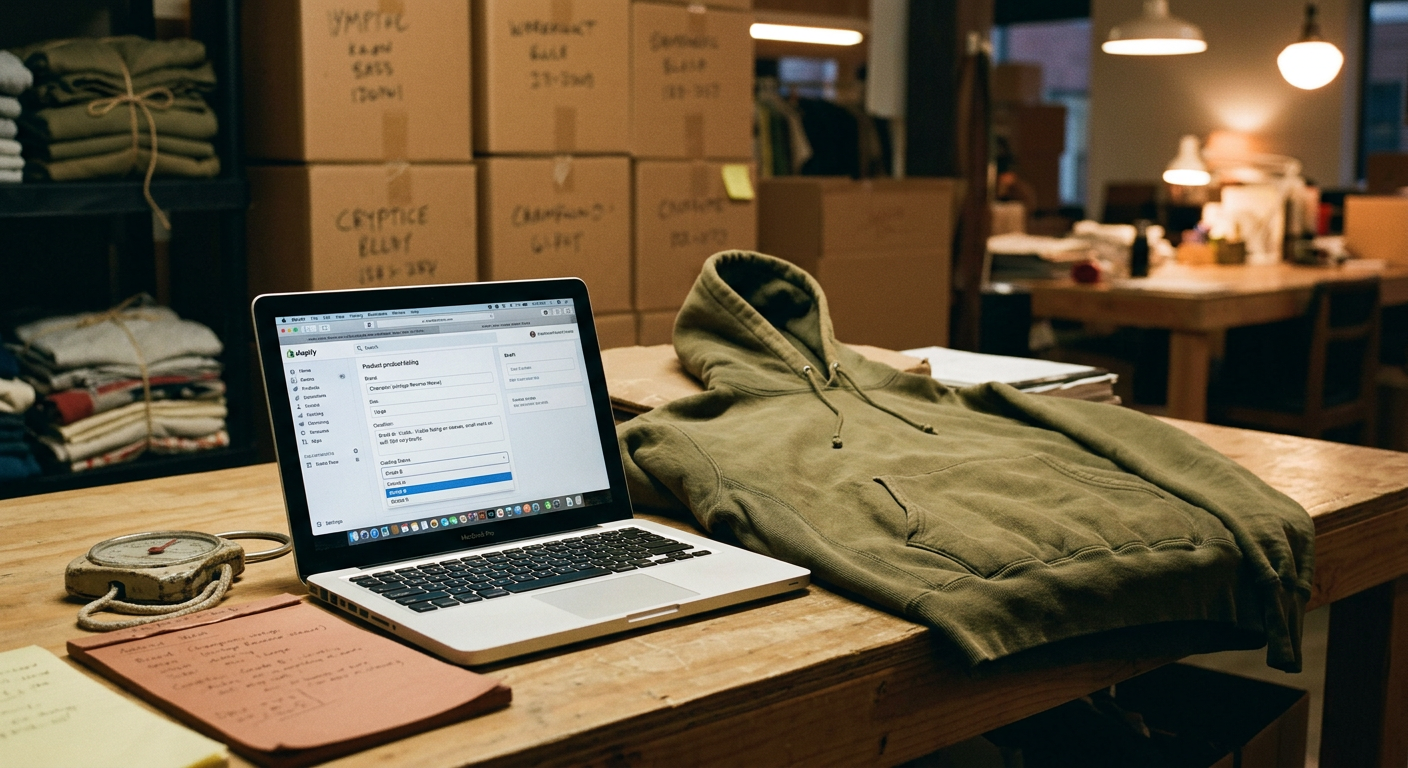
How are vintage clothes categorized during grading?
Vintage clothes are categorized during grading by passing through several "stations" where they are sorted by garment type (e.g., hoodies, tees, denim), then by brand tier, and finally by physical condition grade. This ensures that a Rock & Music T-Shirts Mystery Box contains actual band merch rather than generic black t-shirts.
When I walk through the sorting floor, I see the process as a funnel.
- The Rough Sort: This is where we remove the "trash"—items with heavy odors, hazardous stains, or modern fast-fashion pieces that don't meet our vintage criteria.
- The Category Sort: This is where we separate the College & University T-Shirts from the pro sports or the branded mixes.
- The Final Grade: This is the most granular check. A grader holds the item up to the light to check for "pinholes" (common in 80s single-stitch tees) and tests the zippers on heavy items like Carhartt jackets.
Grading Tiers Defined
| Grade | Condition Description | Best Resale Platform |
|---|---|---|
| Grade A | Excellent vintage condition. No major holes, stains, or dry rot. Graphics are intact. | Etsy, High-end Boutiques, Instagram |
| Grade B | Good condition but shows "wear." May have small holes, light fading, or minor washable marks. | Depop, Whatnot, eBay |
| Grade C / Rough | Heavy wear. Significant staining, blown-out crotches in denim, or cracked graphics. | Upcyclers, DIY Designers, Rag houses |
What is the difference between Grade A and Grade B vintage?
The primary difference between Grade A and Grade B vintage is the level of "retail readiness," where Grade A items are ready to be photographed and sold immediately, while Grade B items often require minor cleaning, "de-pilling," or small repairs. Grade A represents the top 10-15% of all sorted second-hand clothing, featuring minimal signs of previous ownership.
I often tell my community members that Grade B is where the real "hustle profit" lives. One of our most successful partners on Poshmark specifically buys Grade B Brand Name Mixes. She’s shared with me that by spending 5 minutes "oxicleaning" a faint collar stain or using a fabric shaver on a sweatshirt, she increases her ROI by 40% compared to buying Grade A at a higher cost. Grade A is about convenience; Grade B is about sweat equity.
Why does the grading process include "authentication"?
The grading process includes authentication to verify that garments featuring designer labels or iconic vintage tags (like certain 90s Nike or Disney tags) are genuine period pieces rather than modern screen-printed reproductions. Graders examine stitching patterns, tag materials, and wash-care labels to confirm the item's era and brand legitimacy.
For example, when we sort Mickey/Disney T-Shirts, we aren't just looking for the mouse. We are looking for the "Made in USA" distinction or the specific silver or purple Disney tags that collectors crave. Selling a modern reprint as "90s Vintage" is the fastest way to get your shop banned on Depop or Etsy. We take that burden off the reseller by doing the deep-dive research during the grading stage.
How to clean and prep wholesale vintage clothing for resale?
To clean and prep wholesale vintage clothing for resale, you should start by sun-airing the items to remove warehouse scents, followed by a gentle cold-water wash for Grade A pieces or a targeted soak for Grade B items with visible marks. Once cleaned, steam the garments to remove wrinkles—this "revives" the fabric fibers and makes them look significantly more appealing in listing photos.
I’ve seen "before and after" photos from our customers that would blow your mind. One reseller bought a 50 lbs bale of mixed knits that looked flat and dull in the bag. After a quick steam and a lint-roll, the texture popped, and she sold the entire lot within two weeks.
My Pro-Tips for Prepping Inventory:
- The Smell Test: Even the best-graded vintage has a "stored" scent. Use a vinegar rinse in your wash cycle; it’s a natural deodorizer that won't damage old fibers.
- Measurement is Key: Vintage sizing is wildly different from modern sizing. A 1980s "Large" often fits like a modern "Small." Always include pit-to-pit and length measurements in your listings.
- Light is Your Friend: Grade A items deserve "studio" lighting. If you are selling premium pieces from our Wholesale Vintage Tees collections, don't photograph them on a carpet. Hang them against a white wall in natural light.
Frequently Asked Questions
What does "Grade A" mean in vintage?
Grade A means the clothing is in top-tier condition with no significant holes, tears, or permanent stains and is ready for immediate resale.
Are Grade B items worth buying for resale?
Yes, Grade B items are highly profitable for resellers who are willing to perform minor repairs or cleaning, as they come at a lower wholesale price.
Does vintage grading include washing the clothes?
No, the grading process focuses on sorting and inspection; bulk wholesale items are typically unwashed and should be cleaned by the reseller before listing.
Why is some vintage clothing sold in bales?
Selling in bales allows for high-volume movement of inventory at the lowest possible price point per pound, ideal for large-scale shops and exporters.
Can I find designer brands in graded mixes?
Yes, many graded mixes include "pro sports" or "brand name" categories that feature labels like Nike, Adidas, Carhartt, and Ralph Lauren.
Mastering the Margin
Understanding what is the thrift grading process is ultimately about understanding your own business model. If you are a part-time reseller with only two hours a day to work, you need Grade A inventory that is ready to go. You don't have time to be a dry cleaner. However, if you are building a vintage empire and have a team or a dedicated workspace, those Grade B "flawed" pieces are your best friend for maximizing margins.
At Thrift Vintage Fashion, we treat our grading as a partnership with you. When we do the heavy lifting of sorting through thousands of pounds of textile waste to find those gems, we’re giving you the fuel to grow your brand. Whether you are hunting for Bulk Wholesale Tees or specific aesthetic niches, knowing the grade means knowing your profit before the box even arrives.
If you're ready to stop digging through the bins and start scaling your shop with consistent, expertly-graded inventory, explore our curated collections at Thrift Vintage Fashion today. Let's get those listings live! Proudly helping you source the best vintage in the USA, one 100 lb bale at a time.