


How to Start a Vintage Reselling Business from Home
I have watched dozens of resellers go from "cleaning out their closet" to "processing 500 lbs of inventory a week" in their garage. Starting a vintage reselling business from home isn't just about having an eye for fashion; it's about the math of sourcing and the discipline of listing. I've personally seen our partners take a single $300 investment and flip it into $1,200 in gross sales within 30 days. It’s a low-barrier business, but most people fail because they spend too much time hunting at local thrift stores instead of building a scalable supply chain.
TL;DR
- Low Startup Costs: Begin with $200-$500 and a dedicated 5x5 foot space for inventory and photos.
- Bulk Sourcing is Key: Buying wholesale lots or bales ensures consistent profit margins compared to individual "thrifting."
- Platform Specialization: Match your inventory to the platform (e.g., Depop for 90s/Y2K, Etsy for true antiques).
- Speed to Market: Successful resellers list items within 48 hours of receiving inventory to maintain cash flow.
What is a vintage reselling business?
A vintage reselling business is a retail operation where an entrepreneur sources pre-owned clothing—typically 20 years or older—at wholesale prices and sells them at a markup to retail customers. In my experience, the most successful home-based setups focus on a specific niche, like 90s streetwear or Rock & Music T-Shirts Mystery Boxes, which allows for faster authentication and more efficient listing.
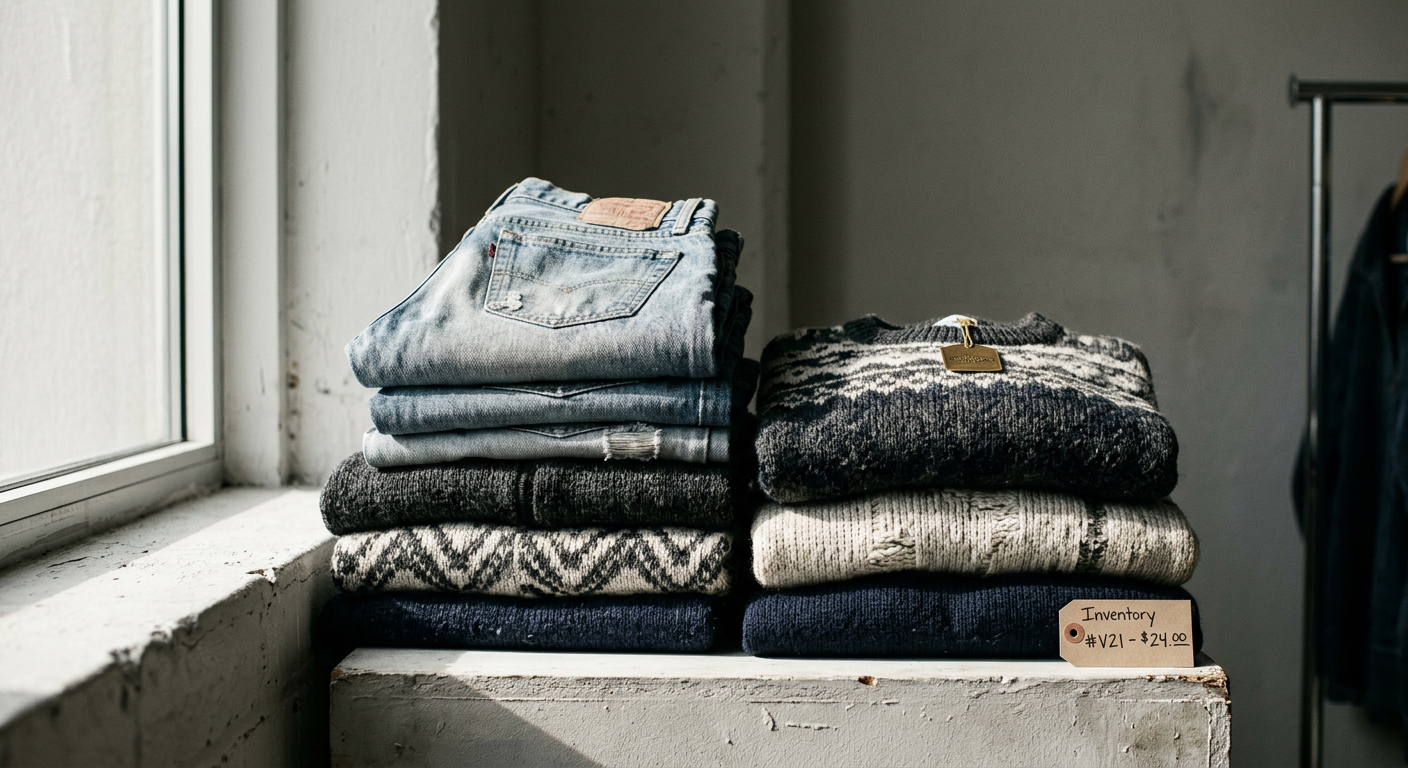
How much money do you need to start a vintage reselling business from home?
Starting a vintage reselling business from home typically requires an initial investment of $250 to $1,000 to cover inventory, basic shipping supplies, and listing software. I’ve helped partners launch with as little as one Brand Name Mix and a smartphone. While you can start with $0 by selling your own clothes, you won't have a real "business" until you invest in a repeatable sourcing strategy.
Essential Startup Expenses (2026 Estimates)
| Expense Category | Budget Range | Notes |
|---|---|---|
| Initial Inventory | $200 - $600 | Focus on high-demand categories like Wholesale Vintage Tees. |
| Shipping Supplies | $30 - $70 | Scale, poly mailers, and a basic label printer. |
| Photography Set | $0 - $100 | Natural light is free; a ring light is a luxury. |
| Software/Apps | $0 - $30 | Cross-listing tools like Vendoo or List Perfectly. |
Takeaway: You don't need a massive bankroll, but you do need enough capital to buy a "lot" rather than single pieces.
Where to buy vintage clothing for Depop shop or Poshmark?
The most profitable source for a home-based vintage business is a dedicated wholesaler that offers graded "mixes" or bulk bales. While many beginners start at local goodwill outlets, the most successful resellers I work with buy Wholesale Vintage Clothing Mixes because it guarantees a specific style of inventory without the time-waste of "the bins."
Comparing Sourcing Methods
- The Bins (Outlets): Lowest cost per piece, but extremely high time cost. You might spend 6 hours for 10 good items.
- Estate Sales: Great for rare finds, but inconsistent and hard to scale.
- Wholesale Bales: Buying Vintage Clothing Bales for Sale is the gold standard for home businesses. It brings the thrift store to your door, allowing you to focus on sales rather than hunting.
How to clean and prep wholesale vintage clothing for resale?
To prep wholesale vintage clothing, you should immediately sort items by condition, treat stains with an enzyme-based cleaner, and use a high-heat steamer to sanitize and remove wrinkles. I always tell my community: "A wrinkled shirt is a cheap shirt." Presentation is the difference between a $15 sale and a $45 sale.
- Incoming Inspection: Check the pits, necklines, and hems.
- The "Oxi-Bath": For whites and tees, a long soak can remove decades of yellowing.
- Steaming vs. Ironing: Never iron vintage graphics; use a professional steamer to pull moisture through the fabric.
- Minor Repairs: Learning a basic ladder stitch for small holes can increase an item's value by 50%.
How to source vintage clothing for Instagram shop sales?
Sourcing for Instagram requires "hero pieces" that stop the scroll, which are best found in curated wholesale lots like Mickey/Disney T-Shirts. Instagram buyers are driven by aesthetics, so I recommend sourcing items with high visual impact, such as bold graphics or unique textures, rather than basic essentials.
In my work managing reseller success, I’ve noticed that Instagram sellers thrive when they drop "collections" rather than random items. One of our partners buys 100 lbs of mixed denim and drops a "Vintage Denim Friday" every week. This consistency builds a following that waits for your posts.
Takeaway: Curated drops perform better than random listings on social media.
Setting Up Your "Home Office"
You do not need a warehouse. Most of the six-figure resellers I know started in a spare bedroom or a corner of their living room.
- Inventory Storage: Use clear plastic bins. Label them by category (e.g., "Tees - Box A").
- The Photo Studio: All you need is a blank white wall or a flat-lay board. I've seen partners use a $10 white sheet pinned to a door with incredible results.
- The Shipping Station: Keep your scale, tape, and mailers in one spot. If you have to hunt for tape every time you sell something, you're losing money.
Pricing for Profit
I see people make this mistake daily: they price based on what they want to make, not what the market pays.
- Fixed Costs: Cost of goods + platform fees (usually 10-20%) + shipping supplies.
- The 3x Rule: At a minimum, aim to list an item for 3x what you paid. If a shirt in a Brand Name Mix costs you $8, it should be listed for at least $24.
- Search the "Sold" Listings: Don't look at active listings on eBay or Poshmark; look at what has actually sold in the last 90 days.
Frequently Asked Questions
How much space do I need for a vintage business?
You can start a vintage business in as little as 25 square feet of dedicated space for inventory and shipping.
Which platform is best for selling vintage?
Depop is generally best for 90s and Y2K trends, while Poshmark excels for mid-range brand names and Etsy is ideal for true 1970s and older pieces.
Do I need a business license to sell vintage?
While requirements vary by state, most resellers eventually need a Sales Tax ID (Resale Certificate) to buy inventory tax-free and comply with local laws.
How do I find a reliable vintage wholesaler?
Look for wholesalers like Thrift Vintage Fashion that provide transparent grading standards and specific category mixes rather than "blind" unsorted loads.
Is vintage reselling still profitable in 2026?
Yes, vintage reselling remains highly profitable as consumer demand for sustainable, circular fashion continues to outpace traditional fast fashion retail.
Conclusion
Starting a vintage reselling business from home is one of the few ways to build a high-margin company with minimal overhead. I've watched our community members quit their 9-to-5s by simply being more disciplined about their sourcing and more professional in their presentation. Stop spending your weekends digging through picked-over thrift store racks. Focus on building a system where inventory comes to you, and you spend your time on what actually makes money: marketing and selling.
If you are ready to scale, check out our Wholesale Vintage Clothing for Resellers and let’s get your first batch of inventory moving.
Stay scrappy, Jessica Chen Reseller Success Manager, Thrift Vintage Fashion