


How to Buy Bulk Used Apparel for High-Margin Reselling in 2026
TL;DR
- Source Purposefully: Successful reselling requires buying category-specific mixes rather than unsearched raw loads to ensure consistent Grade-A quality.
- Calculate True Cost: Factor in cleaning, prep time, and shipping weights (measured in lbs) to determine your actual price per garment.
- Platform Alignment: Match your bulk purchases (like Disney tees for Depop or Brand Name mixes for Poshmark) to the specific audience of your selling platform.
- Sustainability Sells: Use the environmental impact of circular fashion as a key marketing pillar to attract Gen Z and Millennial buyers.
The reality is that the donation model is broken. Most clothing donated to local charities never hits the floor; it’s sold off in massive, ungraded tons. If you want to scale, you cannot spend forty hours a week digging through bins for two "grails." You need a partner that handles the heavy lifting of sorting and grading so you can focus on photography and customer service. We’ve refined our process to ensure that when you buy bulk, you aren't inheriting someone else's trash.
Why should you buy bulk used apparel instead of hand-picking?
Buying bulk used apparel allows resellers to lower their average cost per unit and scale their inventory faster than hand-picking at local thrift stores. By purchasing 50, 100, or 500 lbs of clothing at once, you bypass the time-consuming "hunt" and secure a predictable flow of inventory for your shop. This shift from manual labor to automated sourcing is the primary difference between a hobbyist and a professional reseller.
When I started, I thought the only way to find "the good stuff" was to be at the thrift store at 8:00 AM every Tuesday. I was wrong. I realized that my time was worth more than $15 an hour. By switching to wholesale vintage clothing mixes, I could process 100 items in the time it used to take me to find five. In 2026, the market is too fast for manual sourcing. You need volume to feed the algorithms on TikTok Shop and Poshmark.
Bulk used apparel refers to large quantities of pre-owned garments sold by weight or piece-count, typically sourced from textile recyclers or specialist graders. These lots are often categorized by style, era, or brand to help buyers target specific demographics.
How to buy bulk used apparel without getting "trash" inventory?
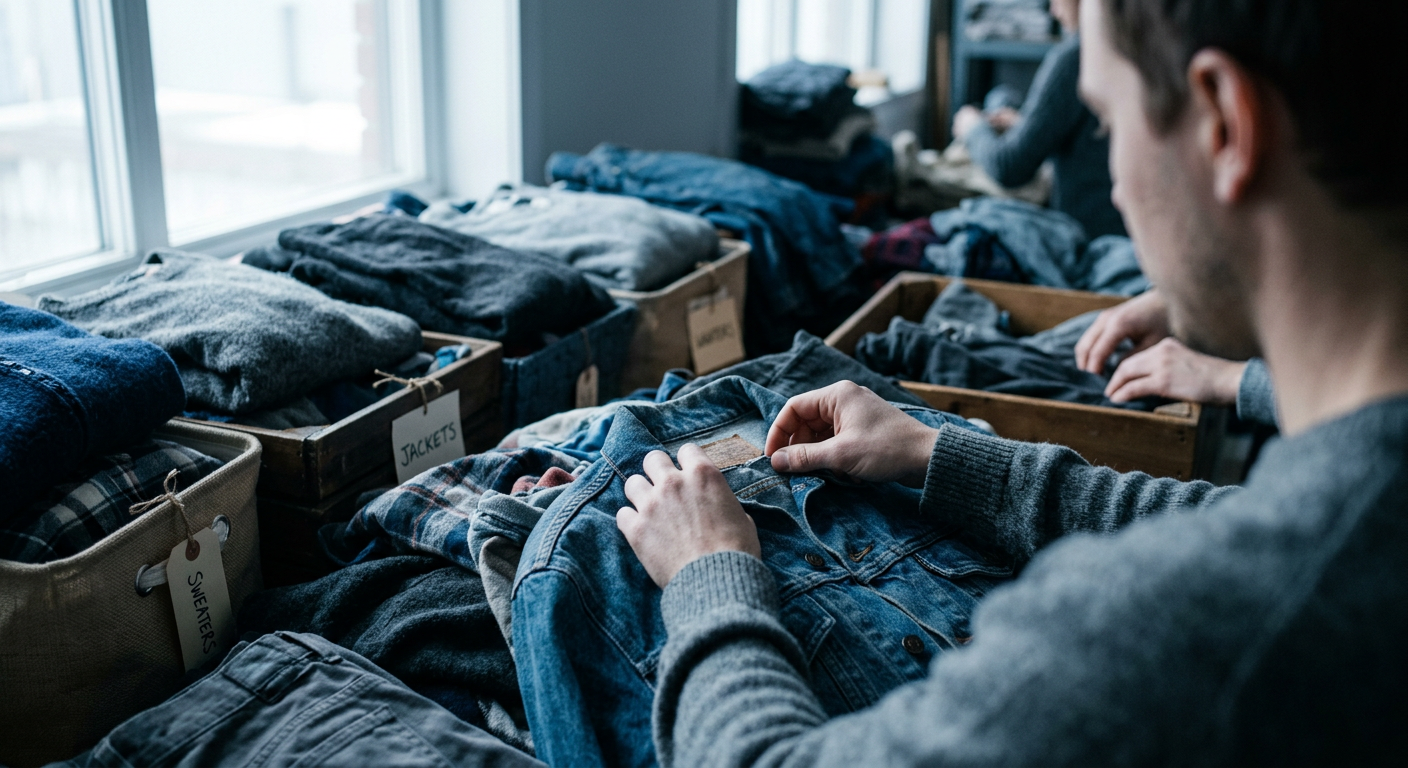
To avoid low-quality inventory, you should only purchase from wholesalers that offer transparent grading standards and category-specific bundles rather than "unsearched" mystery bales. Look for sellers who provide detailed descriptions of what "Grade A" or "Grade B" means in their facility, as this prevents the common pitfall of paying for unsalable, damaged goods.
At Thrift Vintage Fashion, we’ve seen people get burned by buying 1,000 lbs of "mixed clothing" only to find half of it is modern fast fashion from 2022. That’s why we emphasize how Thrift Vintage Fashion grades their used clothing. We separate items by specific demand. For example, our Mickey/Disney T-Shirts are sorted specifically for their graphic appeal and age, ensuring you aren't paying for "filler."
Essential Grading Definitions for 2026
- Grade A: No holes, major stains, or significant dry rot. These are ready for a light steam and immediate listing.
- Grade B: Minor wearable flaws, such as small pinholes or washable marks. Ideal for "budget" sections or upcycling.
- Unsearched/Raw: Highly risky. Usually contains high levels of "rag" (unwearable) material. I personally recommend avoiding these unless you have a dedicated textile recycling outlet.
What are the best clothing categories for high-margin reselling?
The most profitable categories for bulk buying in 2026 are vintage graphic tees, 90s streetwear, and utilitarian workwear like Carhartt or Dickies. These items have high "sell-through rates" because they appeal to both aesthetic collectors and functional buyers looking for durable clothing.
We’ve tracked our sales data over the last three years, and wholesale vintage tees remain the undisputed king of the resale world. Why? Because they are easy to ship, require no complex measurements, and have a clear market value. If you are selling on platforms where "gorpcore" or "techwear" is trending, focusing on bulk denim or outerwear is a smarter play.
| Category | Best Platform | Typical Weight per Unit | Resale Potential |
|---|---|---|---|
| Vintage Graphic Tees | Depop / Instagram | 0.5 lbs | High |
| University/College Sweats | Etsy / Poshmark | 1.2 lbs | Medium-High |
| Brand Name Mix (Nike/Adidas) | TikTok Shop | 0.8 lbs | High |
| Kids Vintage | Instagram / Local Pop-ups | 0.3 lbs | High Margins |
For those targeting the collegiate market, our College & University T-Shirts are a staple because demand for school-spirit gear is evergreen. You don't have to wait for a trend to happen; students are always looking for affordable, "broken-in" campus wear.
How do you clean and prep bulk used apparel for your shop?
Preparation involves a systematic process of inspecting, laundering (if necessary), steaming, and photographing every item to justify a premium price point. For bulk orders, I recommend a high-capacity steamer and a scent-free detergent to ensure the garments feel fresh without triggering allergies for your customers.
One thing I’ve noticed people get wrong is ignoring the "smell of the hunt." If you ship a shirt that smells like a dusty warehouse, you’ll get a 1-star review, regardless of how rare the tag is. I’ve personally found that the "death pile" (the stack of unlisted clothes in your guest room) grows because the prep process is too slow.
- Bulk De-tagging: Remove any warehouse or original thrift tags immediately.
- The "Sunlight Test": Check for pinholes against a bright light source.
- Steam, Don't Iron: A steamer is faster and safer for vintage fabrics.
- Batch Photography: Photograph 20 items at a time to maintain a consistent lighting setup.
The Financial Benefits: Reseller Tax Deductions and Inventory Tracking
Many resellers forget that buying bulk vintage clothing bales for sale is a massive tax advantage. In 2026, the IRS and local tax authorities are looking closely at digital platforms. By buying in bulk, you have clear invoices and documented "Cost of Goods Sold" (COGS). This is much easier to track than 500 individual $2.00 receipts from a local thrift store.
I always tell our boutique owners: keep a spreadsheet of your weight-based purchases. If you buy a 100 lbs bale, calculate your "per pound" cost, then divide that by the number of units. This gives you a rock-solid floor for your pricing strategy. If your cost is $5.00 per shirt, you know you cannot take that $10.00 offer on Depop.
Frequently Asked Questions
Where can I buy vintage clothing for my Depop shop?
You can buy curated vintage bundles from wholesale suppliers like Thrift Vintage Fashion, which offers specific mixes tailored for the Depop aesthetic.
How much does a vintage clothing bale weigh?
Vintage clothing bales typically weigh between 45 lbs and 100 lbs, depending on the supplier and the specific category of clothing included.
What is Grade A vintage clothing?
Grade A vintage clothing refers to items that are in excellent pre-owned condition, free from major holes, tears, or permanent stains.
Is buying bulk apparel better for the environment?
Yes, buying bulk used apparel supports circular fashion by diverting thousands of pounds of textiles from landfills and reducing the demand for new fast-fashion production.
Can I choose specific sizes in a bulk order?
Most bulk orders are sold as a "size run" or mystery mix, but specialized wholesalers offer collections where you can shop by size for more curated needs.
How do I track inventory for bulk purchases?
Assign each item from your bulk lot a unique SKU and record the average cost per unit based on the total price of the bulk shipment divided by the item count.
Scaling Your Fashion Empire with Thrift Vintage Fashion
Building a successful resale brand isn't about finding a single lucky item; it's about consistency. When you buy bulk used apparel, you are securing the future of your shop. We have helped thousands of entrepreneurs transition from "digging" to "direct-to-consumer" success.
Whether you are looking for a Kids Mixed Bale to start a niche children's boutique or a Brand Name Mix to flood your Poshmark closet with recognizable logos, your sourcing strategy starts here. Don't let your business be limited by what's available at your local corner store. Step into the world of professional wholesale and watch your margins grow.
If you're ready to stop hunting and start selling, explore our full range of curated mixes at Thrift Vintage Fashion today.