


Best Wholesale Vintage Clothing Suppliers for Resellers in 2026
The secondary market for fashion has transformed from a niche hobby into a multibillion-dollar powerhouse. As we move through 2026, the demand for authentic, sustainable, and unique apparel continues to soar, driven by Gen Z's preference for circular fashion and the rise of "slow fashion" movements. For entrepreneurs, finding the best wholesale vintage clothing suppliers is no longer just about finding old clothes; it is about securing high-margin inventory that fuels growth on platforms like Depop, Poshmark, and TikTok Shop.
Sourcing at scale requires a transition from "bin digging" to strategic wholesale partnerships. Whether you are looking for specific niches like 90s streetwear or bulk quantities of high-demand staples like denim and workwear, the supplier you choose dictates your profitability and brand reputation. In this guide, we break down the top sourcing options, the logistics of buying in bulk, and how to identify quality in a crowded global market.
TL;DR
- Best Wholesale Sources: Focus on established USA-based suppliers like Thrift Vintage Fashion for reliable shipping and graded quality.
- Top Inventory Categories: High-demand items in 2026 include vintage Disney, Carhartt workwear, and 90s graphic tees.
- Sourcing Methods: Choose between hand-picking, mystery boxes for small shops, or 100-lbs bales for maximum scale.
- Profit Strategy: Successful resellers use wholesale bundles to lower COGS while maintaining a consistent "drop" schedule.
What are the best wholesale vintage clothing suppliers?
The best wholesale vintage clothing suppliers are companies that offer graded inventory, transparent shipping policies, and a diverse range of categories tailored to modern resale trends. In 2026, top-tier suppliers like Thrift Vintage Fashion lead the market by providing specialized Wholesale Vintage Clothing Mixes that allow resellers to buy curated lots rather than unsearched rags. These suppliers bridge the gap between massive textile recyclers and small-scale boutiques, ensuring that the "cream" of the second-hand market is accessible to independent business owners.
When evaluating a supplier, you should look for "graded" inventory. A graded supplier sorts clothing by quality, era, and style, which significantly reduces the "filler" or "waste" items often found in raw textile bales. For resellers targeting high-intent buyers, sourcing through Wholesale Vintage Tees or specific brand-name lots ensures that every pound purchased has a path to a high-margin sale.
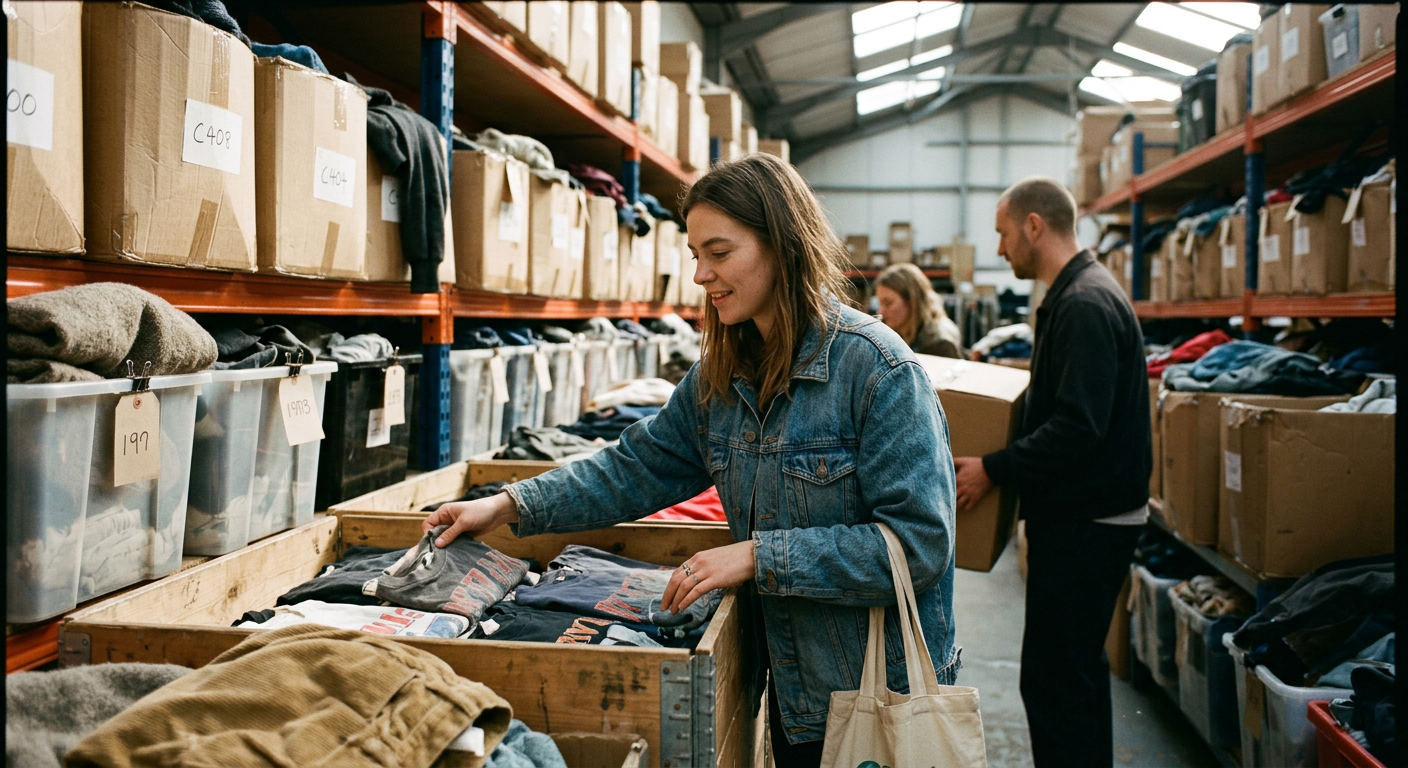
Where to buy vintage clothing for Depop shop inventory?
You can buy vintage clothing for a Depop shop from specialized online wholesalers that offer small-count bundles and "mystery box" items designed for high-aesthetic curation. For Depop's specific audience, finding Mickey/Disney T-Shirts or 90s pop culture items is essential for maintaining a feed that stays on-trend. These targeted bundles allow you to maintain a cohesive brand identity without the logistical headache of sourcing individual items at local thrift stores.
Depop success in 2026 relies heavily on the "drop" model, where a seller releases 20-50 items at once. Wholesale suppliers support this by providing bulk lots of specific aesthetics, such as "Gorpcore," "Y2K Streetwear," or "Old Money" styles. For stores looking to diversify, adding a Brand Name Mix can provide the recognizable labels (like Nike, Adidas, or Ralph Lauren) that the Depop algorithm frequently pushes to the top of search results.
How to source vintage clothing for Instagram shop sales?
To source for an Instagram shop, focus on highly visual, "viral" categories like vintage band tees, oversized university hoodies, and rare workwear jackets that perform well in Reels and Stories. Instagram is a visual-first platform, so sourcing items like Rock & Music T-Shirts or College & University T-Shirts gives you the "hero pieces" necessary to capture a scroller's attention. Successful Instagram resellers often mix these high-value items with lower-cost basics to create complete outfit "looks" that followers can purchase via DM or integrated shop links.
Comparing Sourcing Models for Resellers
| Sourcing Method | Best For | Typical Weight/Volume | Pros | Cons |
|---|---|---|---|---|
| Mystery Boxes | New Resellers | 5 - 15 items | Low risk, curated styles | Higher cost per item |
| Wholesale Bundles | Growing Shops | 25 - 50 lbs | Consistent inventory levels | Mixing sizes/conditions |
| Small Bales | Large Depop/Etsy | 100 lbs | Lower cost per lb | Requires storage space |
| Large Bales | Bulk Retailers | 400 lbs + | Lowest possible cost | High chance of "waste" items |
A "Mystery Box" refers to a pre-packaged lot of a specific clothing category where the buyer knows the style and brand range but not the exact items included. This model is perfect for those who want the convenience of wholesale without the massive space requirements of full bales.
How much do vintage clothing bales cost?
Vintage clothing bales typically cost between $1.50 and $12.00 per pound, depending on the rarity of the items and the level of grading performed by the supplier. A "raw" or "unsearched" bale will be at the lower end of the price spectrum but carries a higher risk of damaged or modern items, whereas a highly curated "A-Grade" bale will have a higher upfront cost but significantly higher resale value. Resellers should calculate their "break-even" point by dividing the total bale cost by the estimated number of sellable pieces to determine their average Cost of Goods Sold (COGS).
For those just starting, investing in a Kids Mixed Bale is an excellent way to enter the market with a high-margin, high-turnover category. Children's vintage is often overlooked, meaning the buy-in costs are lower, but the demand from trendy parents is higher than ever in 2026.
Environmental impact of buying bulk second-hand vs new inventory
Buying bulk second-hand clothing significantly reduces a company's carbon footprint by diverting textile waste from landfills and eliminating the water and energy costs associated with manufacturing new garments. The "Circular Economy" refers to an economic system aimed at eliminating waste and the continual use of resources, which is the core pillar of the vintage industry. Choosing to source from the best wholesale vintage clothing suppliers ensures that you are participating in a system that values the longevity of garments over the disposability of "fast fashion."
Why Circular Fashion Matters in 2026:
- Waste Reduction: Over 90 million tons of textile waste are generated annually; wholesale sourcing keeps these clothes in circulation.
- Resource Conservation: It takes roughly 700 gallons of water to make one new cotton t-shirt; selling vintage saves that resource entirely.
- Ethical Sourcing: Buying vintage avoids the labor-rights issues often found in modern garment factories.
Best clothing categories for TikTok Shop resellers
The best clothing categories for TikTok Shop in 2026 include vintage Carhartt workwear, oversized graphic tees, and high-contrast "aesthetic" pieces that look striking on video. TikTok Shop thrives on impulse buys and "hauls," so having a high volume of inventory is critical. Resellers often look for bulk vintage denim for upcycling or "rework" projects to create one-of-a-kind items that go viral on the platform.
Top 5 Categories to Source for TikTok:
- Workwear: Vintage Carhartt Detroit jackets and Dickies pants.
- Pro Sports: 90s NFL, NBA, and MLB "Salem" or "Starter" brand gear.
- Nostalgia: Disney, Looney Tunes, and 90s cartoon prints.
- University: Heavyweight hoodies from Ivy League or big state schools.
- Gorpcore: Vintage North Face, Patagonia, and Columbia fleeces.
Conclusion
Navigating the world of best wholesale vintage clothing suppliers requires a balance of trend awareness and logistical discipline. By moving away from unpredictable local sourcing and toward reliable wholesale partners like Thrift Vintage Fashion, resellers can scale their businesses to new heights in 2026. Whether you are stocking a high-energy TikTok Shop or a curated Depop boutique, the quality of your supply chain is the single most important factor in your success. Start small with curated mixes, track your data, and scale into larger bales as your community of buyers grows.
Ready to take your inventory to the next level? Explore the full range of Wholesale Vintage Clothing for Resellers and secure your next winner today.
Frequently Asked Questions
What is the best way to source vintage clothes?
The best way to source vintage clothes is through a graded wholesaler that offers specific category lots, ensuring you receive items tailored to your target market rather than random waste.
How do I start a vintage resale business?
Start by choosing a niche, setting up a shop on a platform like Depop or Poshmark, and sourcing local or wholesale inventory that fits your specific aesthetic.
Do wholesale vintage suppliers ship to the USA?
Yes, many top suppliers like Thrift Vintage Fashion are based in the USA, offering faster shipping times and lower freight costs than international exporters.
Are vintage clothing bales worth it?
Vintage clothing bales are worth it for resellers who have the space to store inventory and the time to sort, clean, and photograph items to maximize their resale value.
How do I check the quality of wholesale vintage?
Check the supplier's grading definitions (e.g., Grade A vs. Grade B) and look for companies that provide detailed descriptions or example photos of their lots.
Why is vintage better than fast fashion?
Vintage is superior because it offers better construction quality, unique styles not found in stores, and a significantly lower environmental impact through reuse.